4 min read

 8 min read
New identity verification requirements: What you need to know
Understanding Ulton's AML/CTF obligations Why are we asking for this information?

%20(1).svg "Frame (18) (1)")

.svg "Close (1)")


As a little girl on the farm, Kylie never imagined that she’d one day be working in an office. Nor could she have imagined that the building she once visited to collect her sole parent payments would one day be home to the firm where she’d become a partner.
Kylie’s journey has been all but linear, yet in many ways, her own story is one of the clearest expressions of the core belief that sits at the heart of her work: hard work deserves success.
You spent a chunk of your childhood growing up on farms, two dairy properties and a cattle property. What was that like?
It was a pretty idyllic childhood in a lot of ways. Even as kids, we had plenty of jobs to do on the farms: milking the cows, hosing out the dairy, harvesting crops for the cattle and shifting irrigation pipes around, that sort of stuff.
When we were out on the cattle property, my siblings and I were on primary correspondence and school of the air and that is, to some degree, self-paced. So you have a set amount of work that you have to do in a term, but if you got through your work in half the time, you could go out mustering and exploring for the rest. As kids, that was very, very attractive.
So we were always finishing up about halfway through the term and then we’d be off, out working with the cattle and doing jobs around the property.
Looking back, I think that really planted the idea in my head: work hard, get ahead and then you can go and do the things you want to do.
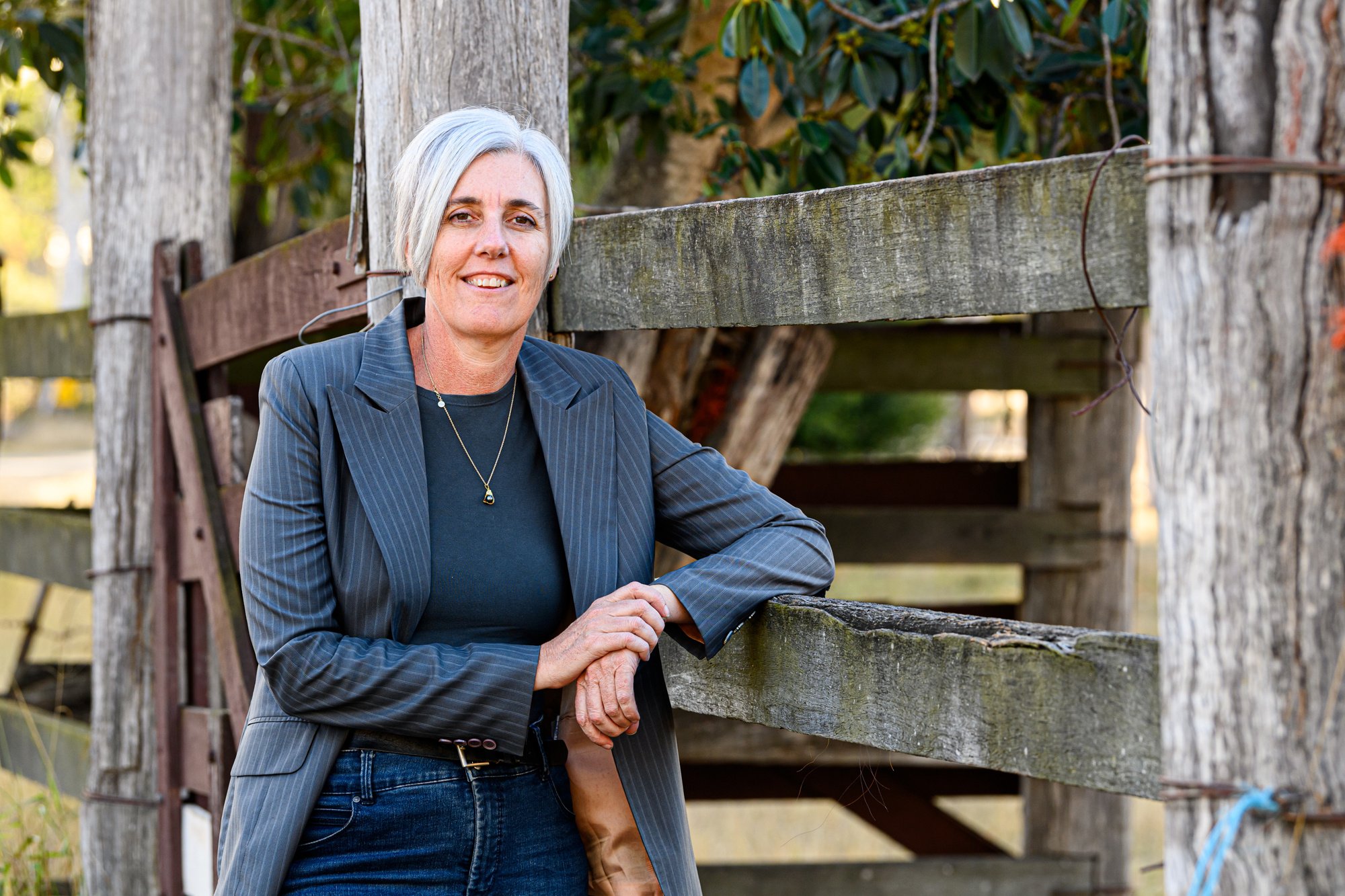
Many of your clients are farmers and farming families. How has your own experience shaped your advisory approach?
The properties were great places to grow up, but that doesn’t mean it wasn’t necessarily an easy life. Our time on the cattle property in particular, has definitely informed some of my thinking around risk.
In the time we were out on that property, we had the wettest period, the worst droughts, worst bushfire season, it all happened while we were out there. So, I saw firsthand that you can lay plans, but outside events can turn everything on its head.
That experience has made me very aware that farming families and business owners often carry a lot of risk and a lot of that risk is outside their control.
I’m naturally a ‘what could go wrong’ person, but not everyone is. So, I’m careful not to put my own view of risk onto a client. Instead, I try to help them think through the what-ifs, build flexibility into their plans and make sure there’s a backup plan, so they’re not relying entirely on the sale of a business or property at the end.
Back in 2024, you were a guest on the podcast HerAdvice. In that episode, you spoke about a defining chapter in your life: moving to America as a young woman to play basketball, becoming a single mother and living in poverty. How did that period change the way you understood money?
That period of time is the root of how I think about money. For me, having no money means having no control and I’m very big on having control, as anyone who knows me can attest.
If you want to be in control of your destiny, you have to make your money work hard for you. You have to have a savings plan and a backup plan. To be in control of your own life, you have to be building wealth.
To go from experiencing real financial hardship yourself, to being your clients’ go-to advisor and confidante for all things wealth, it’s quite a story. How did you get here?
Financial Planning was an accidental career path. It was ‘94 when I returned to Australia from America. At that time, we were at the tail end of the recession and it was really difficult to get a job, so I ended up working a series of physically hard jobs: double shift waitressing, picking tomatoes, cleaning motel rooms, lots of really low paid manual jobs like that.
Eventually, a friend of mine got me an interview for a receptionist role at Retire Invest. Suddenly, I had a full-time job. It’s hard to explain just what a huge difference that made in my life.
About six months into that job, I began to see what an interesting career path this was, so that’s when I started studying financial planning.
.jpg?width=3024&height=1942&name=ultonb001%20(25).jpg)
Partner group 2006 | L-R Daryl Corpe, Mark McLean, Jamie Rach, Peter Sawyer, Bernard Whebell, Janelle Shaw, Kylie Wright
How did you come to land at Ulton?
I was at Retire Invest for 4.5 years, doing reception and later, client service. The extent of my ambition at that time was to become a paraplanner, I was desperate to become one. So when a paraplanner role came up at Ulton, I came here to do that.
And there was a real full-circle moment in coming to Ulton, wasn’t there?
Yes. Our Bundaberg building used to be home to the Centrelink office, so the first time I walked through the door, it was to collect my sole parent benefits. The fact that eventually, I was able to walk in those same doors, now as a partner of the firm, is really cool. I think about that often.
Tell me about your earliest impressions of Ulton
The biggest thing I found impressive right from my very first week at Ulton was the depth of smart people that work here. If your client had a specific issue they were dealing with, you could wheel in a specialist from that particular area to solve it.
That’s always been super impressive to me, the collegiate way that everyone works together to get the right outcomes for clients. People aren’t competing with one another, they are all working together because they genuinely want to get the best result for clients. That was just so exciting to me.
You’ve been an advisor at Ulton for almost 27 years. What do you think surprises people most about what wealth management really involves?
I think people would be surprised to know how strong our personal connections with our clients are. You know, there’s this thought that wealth management is just about managing money, but what you’re really doing is going through every big life event with your clients.
Business problems, marriage, kids, divorce, death, you’re right there as their trusted partner and advisor. It’s a total privilege to be in this position, where we are so involved with our clients.
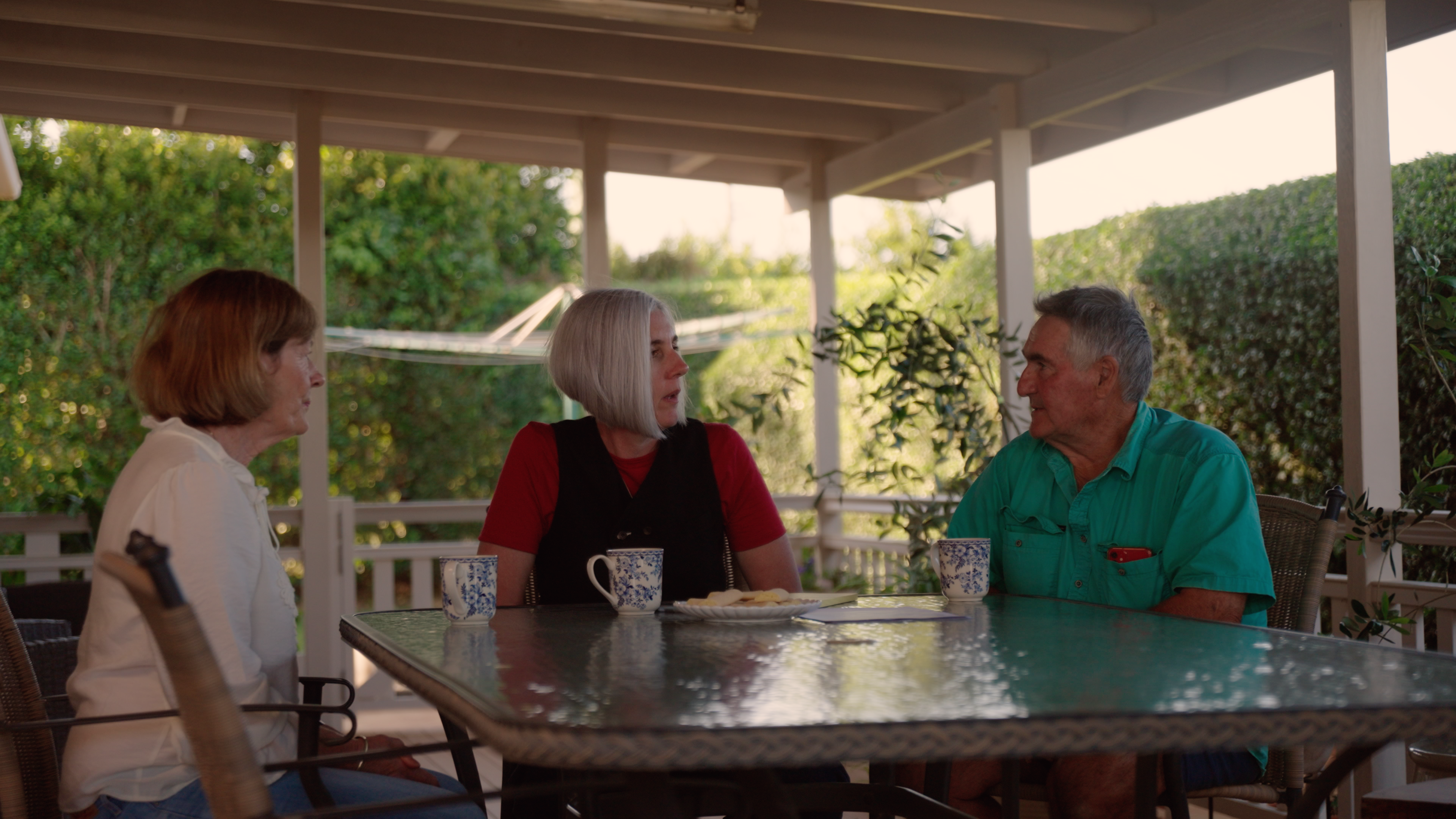
And what keeps you energised and at it after all these years?
I’ve always said that one of the great things about this job is that the rules are always changing. You can never get bored because the minute you think you know everything, the government will change the rules, or there’ll be a different way of looking at something, or you’ll have a new client with a new problem to solve.
I love how much I get to know about clients' businesses and lives. And I get really excited about being able to come up with a solution to a problem I know is worrying a client, to bring them that relief. While it's hard work and sometimes it's long hours and a lot of travel, the payoffs are really big.
And of course, I really just enjoy my team and colleagues…getting to work with really good people who are equally passionate about what they're doing.
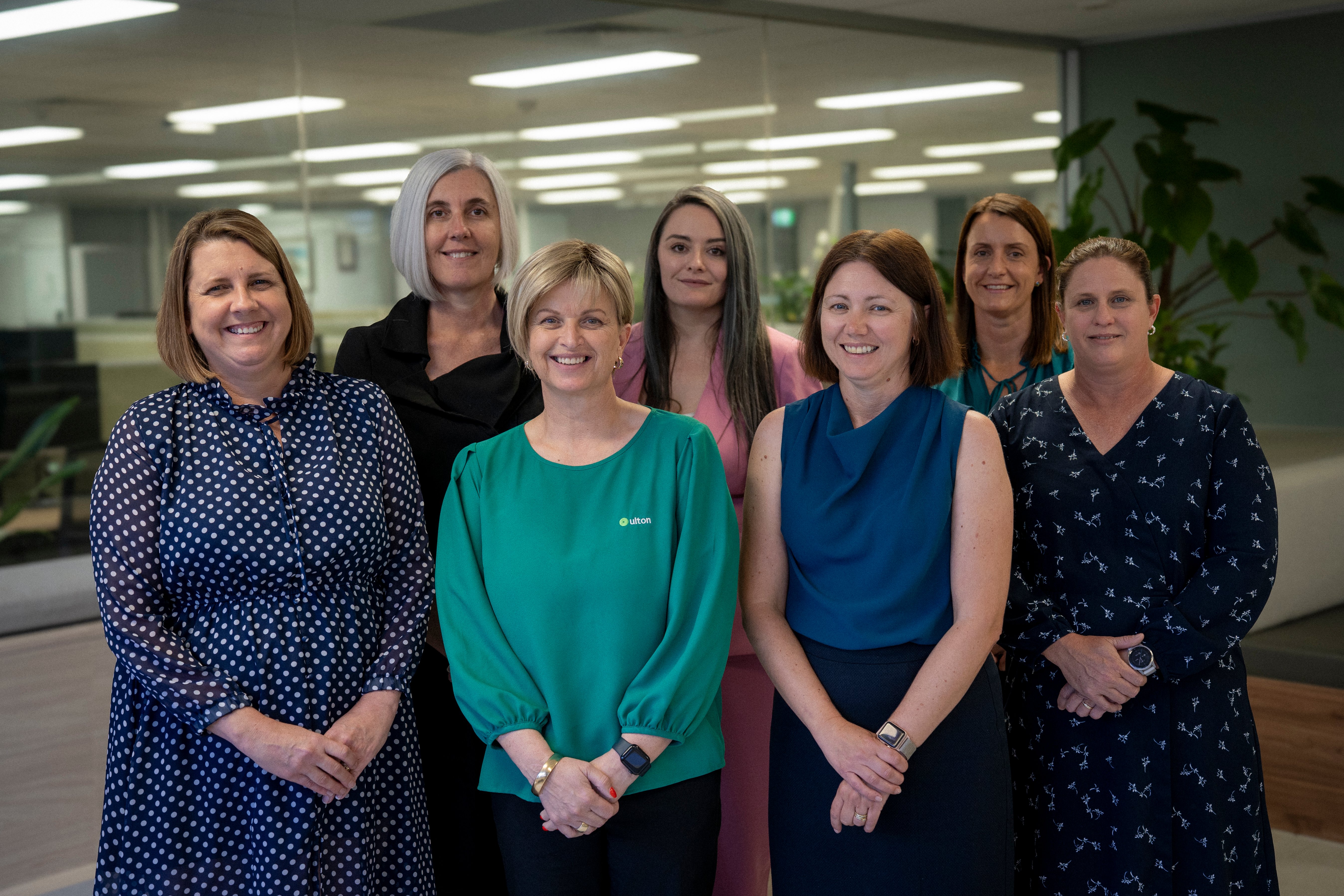
8 min read
Understanding Ulton's AML/CTF obligations Why are we asking for this information?
23 min read
This year, our firm has the privilege of celebrating 100 years in business.
12 min read
Australia’s first Aboriginal fighter pilot This year at Ulton, we are marking an important milestone — our centenary. At...